Reaching, training and activating young people on clean energy
In the first 72 hours, the campaign reached 2M+ young people, generated 25K+ engagements, and surfaced 200+ pieces of youth-created content. Of those who entered the programme funnel, 95.5% completed training, and 84% left saying they're ready to build a career in clean energy.
Campaign headline
Executive summary
The NextGen Energy Champions campaign set out to make clean energy feel relevant, achievable, and career-relevant to young people. The programme went live on Goodwall on 19 May 2026; in its first three days it reached over two million youth across Goodwall and partner channels, drew 25,000+ engagements, and surfaced more than 200 pieces of youth-created content.
Inside the deeper programme funnel, 870 young people opted into the structured learning journey, and 831 of them (95.5%) completed training. That is an exceptionally strong engagement-to-training rate this early in a campaign. Across the learning experience, participants demonstrated solid clean-energy knowledge (average quiz score of 83%, with 7 in 10 scoring 6 or 7 out of 7). Self-reported confidence and intent moved sharply: among post-survey respondents, the share who said they could fully explain clean energy rose from 37% to 56%, and interest in a clean-energy career climbed to 84%.
The engagement funnel
From broad awareness through to deep learning. The journey UNDP funded.
Confidence & intent · pre vs. post
Every indicator moved in the right direction. Career interest moved most.
Why this matters
Energy transition outcomes are built by the generation now entering the workforce. Moving young people from awareness → knowledge → career intent, at this scale and conversion rate, this fast, is rare. The campaign's funnel is now warm; the work ahead is to credentialise and place.
- 2M+ reached with clean-energy messaging in 72 hours
- 831 trained participants, ready for the Sustainable Energy Academy
- 84% leaving the programme open to a clean-energy career
- 200+ youth-created pieces of content amplifying the message
Reach & engagement
The campaign was promoted through #sustainableenergy (453 unique users) and #cleanenergychallenge (230 unique users), reaching a youthful, mobile-first, globally distributed audience. The reach figures below combine Goodwall in-app reach with co-promoted partner channels over the 22 April – 21 May 2026 window.
Top countries · engaged participants
Programme-tagged engagement by country. Nigeria drove roughly a third of all activity; the next four markets cluster tightly.
Audience · age cohorts
The 18–24 group is the largest cohort, followed by 25–34, with a meaningful under-18 segment.
Gender split
Across post-programme survey responders (n = 25).
Who we reached
- Audience skews young: 18–24 is the largest cohort, followed by 25–34, with a meaningful under-18 segment
- Broadly balanced gender split (~50% female / ~41% male / ~8% other) across survey responders
- Mobile-first and global: ~94% of responses came from Android devices
- Top markets: Nigeria, Philippines, Indonesia, South Africa, Kenya
What they learned
The knowledge quiz (n = 443) tested seven core concepts. Performance was strong overall: an average score of 83% correct, with 70% of participants answering 6 or 7 of 7 questions correctly. Participants mastered the policy and youth-agency questions; the soft spots, the scale of clean-energy jobs and the "engineering jobs" myth, are quick wins for the next content iteration.
Correct-answer rate by question
Each bar is the share of 443 respondents who answered correctly.
Strengths
- What happens when a government commits to clean energy: 95% correct
- How youth can influence energy decisions: 94% correct
- What clean energy fundamentally means: 89% correct
Gaps to close
- Only 56% knew that most clean-energy jobs are not engineering jobs
- Only 68% identified the 2050 clean-energy jobs figure (40 million)
- Recommendation: foreground "non-engineering" career pathways in v2 content
Voices of the audience
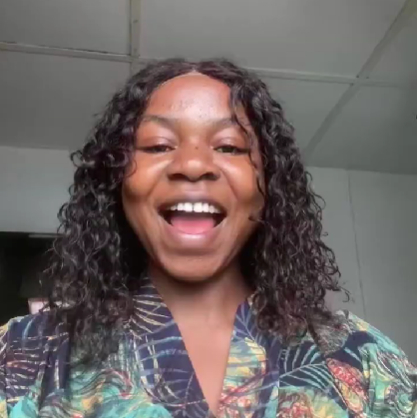
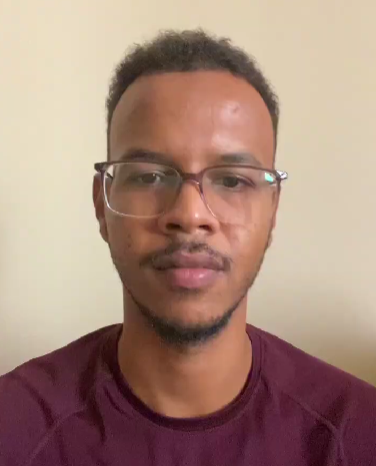
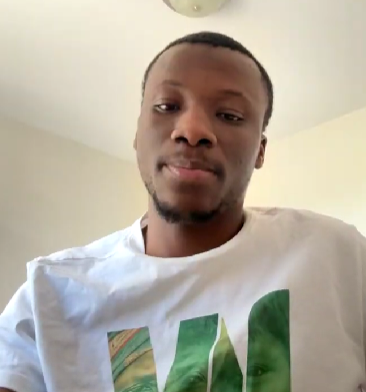
The campaign generated 200+ pieces of youth-created content. Featured below are three participants from across the cohort, each speaking to camera about why clean energy matters to them, followed by the comment wall for each explainer video.
Featured youth-created videos
🇰🇪 Kenya
🇸🇩 Sudan
🇳🇬 Nigeria
Three of the 200+ participant videos submitted to the campaign. Featured here as a representative cross-section. The full library is available via the Goodwall partner workspace.
How the audience responded to the explainer videos
The technology behind clean energy
The decisions shaping our energy future
The skills clean energy needs from you
The shift · before vs. after
Comparing the pre-survey (n = 634) with the post-survey shows movement on every measure that mattered. Note: the post-survey sample is small (n = 25), so these results are directional rather than statistically conclusive, but the direction is unambiguous.
| Measure | Pre | Post | Direction |
|---|---|---|---|
| Can fully explain clean energy | 37% | 56% | ▲ +19 pts |
| Feel it affects daily life | 41% | 56% | ▲ +15 pts |
| Youth can shape energy decisions | 60% | 76% | ▲ +16 pts |
| Interested in a clean-energy career | 54% | 84% | ▲ +30 pts |
Pre-survey n = 634 · Post-survey n = 25. Post-survey figures combine the two most positive response options per question.
From learning to action
The campaign didn't just shift attitudes; it generated concrete commitments. When asked what they would do next, post-survey participants overwhelmingly chose tangible steps over "nothing yet."
Appendix · data sources & method
| Source | Sample | Captures |
|---|---|---|
| Pre-survey | 634 | Baseline knowledge, attitudes, interests |
| Knowledge quiz | 443 | 7-question clean-energy assessment |
| Post-survey | 25 | Self-reported shift + intended actions |
| Goodwall dashboard | 870 engaged | Reach, funnel, demographics (UNDP-filtered) |
| Video comments & likes | 4 videos · 42 comments · 340 likes · 1,973 views | Qualitative response to each explainer video |
The programme went live on 19 May 2026 at 3:00 PM SAST; this report was generated on 22 May 2026 at 4:10 PM SAST, covering the first three days live. Dashboard figures are drawn from the 22 April – 21 May 2026 window and filtered to the UNDP / NextGen Energy Champions programme where applicable. Quiz accuracy was computed against the correct answer for each item; the average reflects 7 questions per participant. Pre/post percentages combine the most positive response options per question and are directional given the post-survey sample size (n = 25).